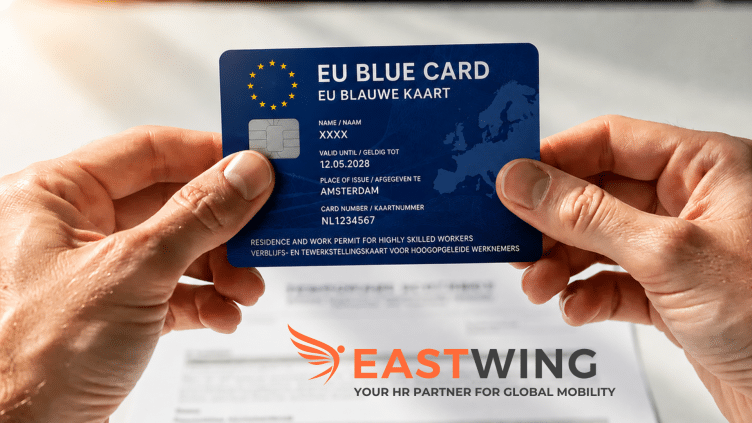


As an international professional relocating to the Netherlands, you will encounter a complex interaction between tax benefits and pension accrual. While the expat ruling offers attractive tax advantages, it also could directly affect your Dutch pension. This guide helps you understand how both systems interact and how you can optimize your pension accrual.
For international employees, it is essential to understand that pension planning in the Netherlands goes beyond employer-based pension schemes. The Dutch pension system consists of three pillars, and the expat ruling influences each of these pillars in different ways. A thorough understanding of this interaction is crucial for successful financial planning.
What exactly is the expatruling?
The expat ruling is a tax benefit offered by the Netherlands to highly skilled international employees with specific expertise. Under this scheme, a maximum of 30% of your gross salary can be paid tax-free, meaning you only pay Dutch income tax on at least 70% of your salary.
To qualify for the expat ruling, several conditions must be met:
• You must be recruited from abroad
• You must have lived more than 150 kilometers from the Dutch border for at least 16 months in the 24 months prior to your first working day in the Netherlands
• Your salary must exceed the threshold (€48,013 in 2026, or €36,497 for individuals under 30 with a qualifying master’s degree)
From 2026 onward, a maximum salary of €262,000 applies for the expat ruling. This means the maximum tax-free allowance is €78,600 per year.
How does pension accrual work in the Netherlands?
The Dutch pension system is built on three pillars that together provide retirement income. For expats, it is important to understand how each pillar functions:
First pillar: AOW (General Old Age Pension)
AOW is the basic state pension for anyone who reaches the statutory retirement age. You accrue AOW for each year you live or work in the Netherlands. Accrual happens automatically through the national social security system; no separate action is required. If you have lived abroad for certain periods, your AOW may be reduced. The SVB (Sociale Verzekeringsbank) is responsible for administering and paying out the AOW once you reach retirement age.
Second pillar: Employer pension scheme
This is the supplementary pension you accrue through your employer. Most Dutch employers have a pension scheme in which both employer and employee contribute. Contributions are calculated on your pension base. Some pension schemes calculate contributions based on your taxable salary (70% of your gross salary under the expat ruling) rather than your full gross salary, which may result in lower pension accrual. We recommend discussing this with your employer.
Third pillar: Private pension savings
If you have a pension gap, you can build additional pension savings through a private pension provider. Some pension schemes calculate contributions based on the taxable salary (70% of your gross salary under the expat ruling). This results in lower contributions and therefore lower pension accrual.
Be prepared for the period after the expat ruling ends. Your net salary will decrease, but your pension accrual may increase if it is calculated over your full gross salary.
The combination of the expat ruling and pension accrual requires a thoughtful approach. By understanding the various aspects and taking timely action, you can benefit from the tax advantages while ensuring a strong pension foundation. Consider seeking professional advice for a personalized assessment of your situation, so you can make the best decisions for your financial future in the Netherlands.