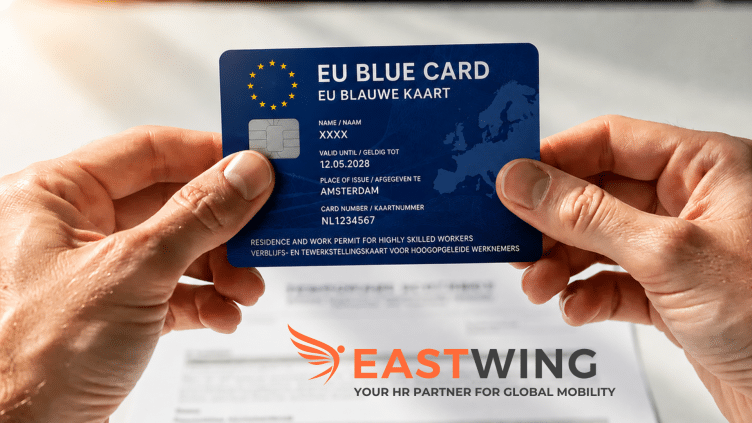


As an international professional moving to the Netherlands, the 30% ruling plays a crucial role when applying for a Dutch mortgage. This tax benefit can significantly influence your borrowing capacity, but it also brings specific challenges that you must understand before submitting a mortgage application. In this article, you will discover exactly how the 30% ruling affects your mortgage calculation and which strategies you can apply to successfully secure an expat mortgage.
What exactly is the 30% ruling?
The 30% ruling, also called the expat ruling, is a tax facility that the Dutch government has introduced to attract highly educated international employees. This ruling enables employers to pay up to 30% of your gross salary tax-free as compensation for extraterritorial costs.
To qualify for the 30% ruling, you must meet various conditions:
- You were recruited from abroad
- You have specific expertise that is scarce in the Dutch labor market
- You lived at least 16 months of the past 24 months more than 150 kilometers from the Dutch border
- Your salary (after application of the 30% ruling) amounts to at least €46,660 per year in 2025
For employees under 30 years old with a master’s degree, a lower salary level of €35,468 per year applies. Scientific researchers can always use the ruling, regardless of their salary.
The ruling applies for a maximum of five years and has a salary cap of €246,000 per year from 2025. This means that the maximum tax-free compensation amounts to €73,800.
How does the 30% ruling affect your mortgage capacity?
The impact of the 30% ruling on your mortgage capacity is complex and differs per bank. Dutch banks use different approaches when calculating your borrowing capacity when you utilize the 30% ruling.
Most banks base their calculation on your net disposable income after application of the 30% ruling. This means that your tax benefit has a positive effect on your mortgage calculation. A higher net income results in a higher maximum mortgage.
However, banks also take into account the temporary nature of the ruling. Because the 30% ruling applies for a maximum of five years, some banks assess your mortgage application more conservatively. They sometimes calculate what happens to your monthly payments when the ruling expires.
| Situation | Gross salary | Tax-free portion | Taxable portion | Estimated net income |
|---|---|---|---|---|
| Without 30% ruling | €80,000 | €0 | €80,000 | €52,000 |
| With 30% ruling | €80,000 | €24,000 | €56,000 | €60,000 |
The exact impact depends on your specific situation, salary level, and the bank you work with. Some banks are more expat-friendly than others and have specific mortgage products for international employees.
Common problems with mortgage applications using the 30% ruling
Expats regularly encounter specific challenges when applying for a Dutch mortgage. The main problem is that not all banks are equally experienced with the 30% ruling and the accompanying documentation.
Many banks require extensive documentation to understand your situation:
- Official decision from the Tax Authority for the 30% ruling
- Employment contract mentioning the ruling
- Pay slips showing the application of the ruling
- Proof of your residence status in the Netherlands
Another common problem is the lack of Dutch credit history. International employees often have no BKR registration, which can make banks hesitant. Some banks compensate for this by setting higher requirements for your income or by asking for a higher down payment percentage.
Timing also plays a crucial role. Banks may reject your application if you have only recently started working in the Netherlands or if your employment contract has a fixed term that is shorter than the mortgage duration.
The complexity of immigration Netherlands regulations sometimes causes bank employees to have insufficient knowledge of expat-specific situations. This can lead to unnecessary delays or even rejections of valid applications.
What happens when your 30% ruling expires?
The expiration of the 30% ruling has direct consequences for your financial situation and existing mortgage. Your net income drops significantly, which can lead to problems with your monthly payments.
For existing mortgages, you generally need not fear direct consequences. Banks cannot cancel your mortgage because your tax benefit expires. However, this can impact any refinancing or additional loans.
Strategies to minimize financial risks:
- Build a buffer during the period you have the 30% ruling
- Consider converting interest-only portions to annuity
- Plan any renovations or other major expenses before the ruling expires
- Discuss your situation in time with your mortgage advisor
Some expats choose to secure their mortgage more conservatively, based on their income without the 30% ruling. While this limits your purchasing power, it prevents financial problems later.
In global mobility trajectories, it is important to plan this transition early. Compliance expertise can help optimize your financial strategy for the period after the 30% ruling.
Practical tips for a successful mortgage application
A successful mortgage application as an expat requires good preparation and timing. Start by gathering all required documentation before submitting an application.
Choose a mortgage advisor who has experience with international employees. They understand the specific challenges of expat mortgage applications and can guide you to the right banks.
Important timing considerations:
- Submit your application after you have received your official decision for the 30% ruling
- Ensure at least three months of pay slips showing the ruling
- Do not plan your application too close to the expiration of your employment contract
Documentation that speeds up your process:
- Translated and legalized documents from your home country
- Proof of your financial history abroad
- References from your previous bank or financial institution
- Overview of your global wealth position
Consider working with specialists in global mobility services who have experience translating complex legislation into understandable processes. They can help you optimize your application and avoid common pitfalls.
Remember that the Dutch mortgage market is constantly evolving. Regulations regarding tax Netherlands and immigration can change, which affects your possibilities. Therefore, stay well-informed about changes that are relevant to your situation.
The 30% ruling offers excellent opportunities for international professionals to become owners of Dutch real estate. With proper preparation and expertise, you can optimally benefit from this tax advantage in your mortgage application. For personalized guidance on your specific situation, contact our experienced advisors who specialize in expat financial services.