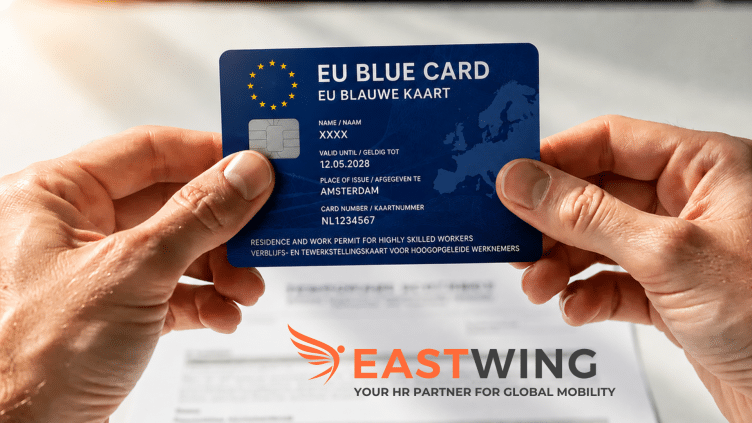


As an international professional moving to the Netherlands, the 30% ruling offers attractive tax advantages. However, what many expats don’t realize is that this tax benefit has direct consequences for their AOW (state pension) accrual and future retirement. The Dutch pension system works differently than in many other countries, and the interaction between the 30% ruling and your AOW rights can lead to a significant pension gap. In this article, we explain how the 30% ruling affects your AOW accrual and which strategies you can use to maintain your pension at an adequate level.
How does AOW accrual work in the Netherlands?
The Dutch pension system consists of three pillars, with the AOW (General Old Age Pensions Act) forming the first pillar. The AOW is a basic pension that is financed by premiums paid by employees and employers through payroll tax.
You build up AOW rights by living and working in the Netherlands. For each year you live in the Netherlands between your 15th and 67th birthday, you accrue 2% AOW entitlement. After 50 years, you therefore receive 100% of the full AOW benefit.
The AOW premium is calculated on your full taxable income. This is crucial to understand, because this is where the 30% ruling comes into play. As an international employee, you pay AOW premium on the part of your salary that is taxable.
The link between living in the Netherlands and AOW rights means that you only build up AOW rights during the years you officially live in the Netherlands. This applies regardless of your nationality or the level of your income.
What does the 30% ruling mean for your AOW premium?
The 30% ruling has a direct impact on your AOW premium payments. Under this ruling, 30% of your gross salary is exempt from AOW tax benefit premiums. This means that your AOW premium is only calculated on 70% of your actual salary.
A practical example: if you have a gross annual salary of €80,000, with the 30% ruling you only pay AOW premium on €56,000. The non-taxable portion of €24,000 is exempt from all social premiums, including the AOW premium.
This exemption has two important consequences:
- You pay less AOW premium during your working years
- You build up AOW rights based on a lower taxable income
From 2025, there will be a maximum limit for the 30% ruling of €233,000 per year. For salaries above this amount, the exemption no longer applies, which means that highly paid international employees pay full AOW premium on the excess amount.
What are the consequences for your future AOW benefit?
The reduced AOW premium payments during your working years lead to a pension gap in your future AOW benefit. Although you still build up full AOW years by living in the Netherlands, the lower premium payment can influence certain calculations.
The main effect, however, is that after the end of the 30% ruling you may have fewer years to supplement your pension. If, for example, you use the 30% ruling for five years, you have five years less time to build up pension at the normal Dutch tax rate.
| Scenario | Salary | AOW premium with 30% ruling | AOW premium without 30% ruling | Annual difference |
|---|---|---|---|---|
| Expat A | €60,000 | €7,686 | €10,980 | €3,294 |
| Expat B | €80,000 | €10,248 | €14,640 | €4,392 |
| Expat C | €100,000 | €12,810 | €18,300 | €5,490 |
For international employees who plan to stay in the Netherlands long-term, this can result in a significant pension gap. It is therefore essential to take timely measures to fill this gap.
Strategies to fill your pension gap
Fortunately, there are various strategies available to address the pension gap resulting from the 30% ruling. The choice of the right strategy depends on your personal situation, future plans, and financial objectives.
Voluntary AOW insurance
If you leave the Netherlands but want to continue building up AOW rights, you can use voluntary AOW insurance. This option is particularly interesting for expats who move abroad after their period in the Netherlands.
Private pension building
Setting up a private pension arrangement is an effective way to supplement your expat pension. You can choose from various options:
- Annuity insurance with tax advantages
- Banking annuity products
- Investment accounts specifically for pension building
International pension agreements
For international employees who regularly change countries, international pension agreements can offer a solution. These products are specifically designed for mobile professionals and offer flexibility when relocating.
Employer pension schemes
Many international companies offer supplementary pension schemes to their expat employees. Check whether your employer has such schemes and make optimal use of them.
When navigating through this complex matter, it is wise to seek professional advice. A Global Mobility specialist can help you evaluate your current situation and develop a strategy that fits your specific circumstances. We offer comprehensive compliance audits and strategic advice to ensure that you optimally arrange all aspects of your international mobility, including pension planning.
The 30% ruling offers valuable tax advantages, but it is crucial to understand the long-term consequences for your AOW accrual. By taking timely action and implementing the right strategies, you can enjoy the benefits of the 30% ruling without jeopardizing your future financial security. Make sure you take a holistic approach that encompasses both your current tax situation and your long-term pension planning. For personalized guidance on your specific situation, contact our Global Mobility specialists.