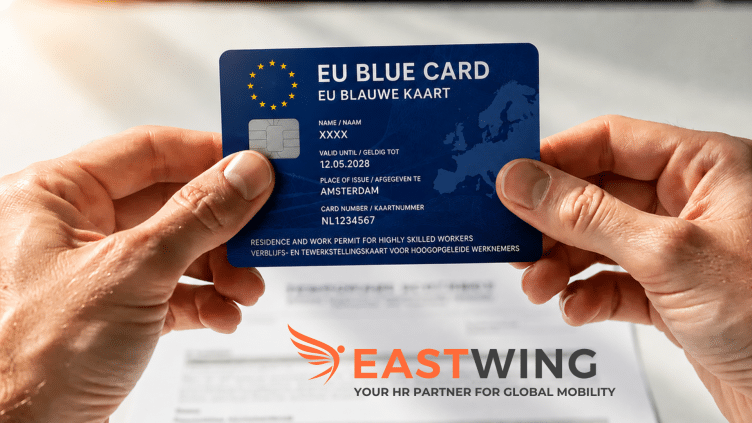


As an international professional moving to the Netherlands, the 30% ruling can provide a significant tax advantage. This regulation, also known as the 30% ruling Netherlands, enables highly educated expats to receive up to 30% of their salary tax-free. However, applying for this ruling requires careful preparation and knowledge of the proper procedures.
In this guide, we explain step by step how you can apply for the 30% ruling, which documents you need, and which pitfalls you should avoid. Whether you have just arrived in the Netherlands or have been working here for some time, this information will help you successfully navigate the application process.
What exactly is the 30% ruling?
The 30% ruling is a tax benefit introduced by the Dutch government to attract foreign specialists with scarce expertise. In essence, your gross taxable salary is reduced from 100% to 70%, making 30% of your salary tax-free.
This regulation is intended as compensation for the extra costs that expats incur when moving to the Netherlands. Consider the following:
- Application costs for residence permits and visas
- Hotel costs during the transition period
- Travel costs to the home country
- Costs for Dutch language lessons
- Higher housing costs
For employers, the ruling offers a competitive advantage when attracting international talent. It enables them to effectively offer higher net salaries without proportional increases in wage costs.
It is important to know that from 2027, the ruling will be adjusted to 27% for new applicants. Additionally, from 2024, a maximum salary of €233,000 per year applies to which the ruling can be applied.
Requirements for the 30% ruling
To qualify for the 30% ruling requirements, you must meet various criteria applied by the Tax Administration.
Salary requirements
Your annual salary must meet at least the following amounts (after application of the 30% ruling):
| Year | General salary requirement | Under 30 with master’s degree |
|---|---|---|
| 2025 | €46,660 | €35,468 |
| 2024 | €46,107 | €35,048 |
| 2023 | €41,954 | €31,891 |
Distance criterion
You must have lived for at least 16 months of the 24 months prior to your first working day in the Netherlands at more than 150 kilometers from the Dutch border (as the crow flies). This means you may not have lived in Belgium, Luxembourg, or parts of Germany, France, or the United Kingdom.
Expertise requirements
You must possess specific expertise that is scarce in the Dutch labor market. Your employer must be able to demonstrate that they could not find a comparable candidate in the local market.
Exceptions
Scientific researchers at recognized research institutions and doctors in specialist training are always eligible, regardless of salary.
Required documents for your application
A successful application for the 30% ruling requires a complete set of documents. Make sure you collect the following required documents before submitting the application:
Personal documents
- Valid identity document (not a driver’s license)
- BSN number
- Proof of residence in another country prior to your appointment
- Curriculum vitae with clear indication of age, education, and work experience
Work-related documents
- Employment contract or secondment letter
- Work permit (if applicable)
- Company details and payroll tax number of your employer
Specific declarations
- Written agreement as an appendix to your employment contract in which both parties confirm that they are fully aware of the consequences of the 30% ruling
- Written declaration from your employer confirming that your skills are scarce and that they have not succeeded in finding a comparable employee in the local market
- Documentation about the number of previous applicants and the period the position was vacant
Step-by-step application process
The 30% ruling application process follows a structured procedure that you complete together with your employer.
Step 1: Preparation
Collect all required documents and ensure you meet all requirements. Discuss with your employer the intention to apply for the ruling and the division of responsibilities.
Step 2: Application form
Download the official form from the Tax Administration website. Fill this out carefully together with your employer. Make sure all information is filled in correctly and completely.
Step 3: Submission
Send the completed form together with all accompanying documents to the Tax Administration. This can only be done by mail; online submission is not possible.
Step 4: Waiting period
Processing time varies between one and six months, depending on the complexity of your case. During this period, the Tax Administration may request additional information.
Timing of the application
For optimal results, it is best to submit the application within four months after your first working day in the Netherlands. Then the ruling applies retroactively from your first working day. With later applications, the ruling applies from the first day of the month after approval.
Common mistakes in the application
Many applications are rejected due to avoidable mistakes. By knowing these common pitfalls, you significantly increase your chances of a successful application.
Documentation errors
Incomplete or incorrect documentation is the most common reason for rejection. Make sure all documents are current and that your CV is completely filled out with all relevant work experience.
Distance criterion not demonstrable
Many applicants cannot sufficiently demonstrate that they lived for the required period at the correct distance from the Netherlands. Collect concrete evidence such as rental contracts, bank statements, or municipal registration extracts.
Insufficient substantiation of scarce expertise
Employers often fail to adequately substantiate why the expertise is scarce. Provide a detailed description of recruitment efforts, including advertisements, number of applicants, and reasons for rejection of local candidates.
Timing problems
Late applications result in missed retroactive benefits. Plan the application immediately after your arrival in the Netherlands and ensure timely collection of all documents.
Salary calculation errors
Incorrect calculation of the required minimum salary leads to rejection. Note that the salary is calculated after application of the 30% ruling, not before.
By avoiding these common mistakes and carefully following all steps, you significantly increase your chances of a successful application. When in doubt about your specific situation, it is advisable to seek professional advice from a specialist in immigration tax Netherlands. A thorough compliance audit of your application can help identify and resolve potential problems in advance. For expert assistance with your application, contact our specialists.