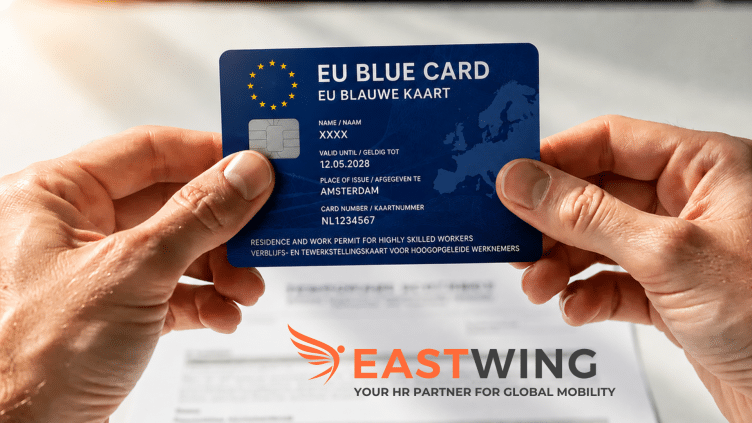


The 30% ruling offers employers significant advantages when attracting international employees. This regulation enables companies to provide expats with a tax-free allowance of up to 30% of their salary, resulting in lower wage costs, reduced administrative burdens, and a strong competitive position in the international labor market. For employers, this represents an effective instrument for attracting and retaining highly educated professionals from abroad.
Why is the 30% ruling interesting for employers?
The 30% ruling is a strategic advantage for companies that want to hire international employees. This 30% ruling regulation enables employers to offer highly educated professionals from abroad a tax-free allowance for the additional costs they incur when relocating to the Netherlands.
The basic principle is simple: instead of a fully taxable gross salary, an employer can pay up to 30% of the wage tax-free. This makes Dutch job positions more attractive to international talent without requiring the employer to increase total labor costs.
The regulation is specifically designed for highly educated professionals who possess scarce expertise. For employers, this means access to a broader talent pool and the ability to fill positions that are difficult to fill locally.
What are the direct financial benefits of the 30% ruling for employers?
The cost savings for employers are substantial. By utilizing the 30 percent ruling, companies can offer lower gross salaries while the employee’s net salary remains the same or even turns out higher.
Employers save on social premiums because these are calculated over the lower gross salary. This applies to premiums such as:
- Unemployment insurance (WW)
- Work disability insurance (WIA)
- Health Insurance Act (Zvw)
Additionally, there is a maximum threshold of €233,000 per year over which the 30% ruling for expats can be applied. For salaries above this amount, the regulation does not apply, which helps control total labor costs for top positions.
| Salary component | Without 30% ruling | With 30% ruling |
|---|---|---|
| Gross salary | €70,000 | €49,000 (70%) |
| Tax-free allowance | €0 | €21,000 (30%) |
| Employer premiums | Calculated over €70,000 | Calculated over €49,000 |
How does the 30% ruling help attract international talent?
The 30% ruling is a powerful instrument for talent acquisition and employer branding. For international employees, the regulation means a significant financial advantage, making Dutch job positions more competitive compared to other countries.
Employers can use the regulation to:
- Make competitive offers to international candidates
- Reduce recruitment costs by offering a more attractive package
- Strengthen their position as an international employer
The regulation is valid for five years, which helps employers retain international employees for a longer period. This reduces the costs of staff turnover and contributes to continuity within teams.
For scientific researchers, no salary requirements apply, which gives universities and research institutions additional opportunities to attract international expertise.
What administrative advantages does the 30% ruling offer for companies?
The 30% ruling offers simplified administrative processes for employers. Once approved by the Tax Administration, companies can easily apply the regulation in their payroll administration.
The main administrative advantages are:
- One-time application that remains valid for five years
- Clear guidelines for payroll processing
- No complex monthly calculations
- Possibility for joint application with the employee
Employers can submit the application via the standard form from the Tax Administration. Processing typically takes one to six months, depending on the complexity of the situation.
When changing employers within a group structure, the regulation remains valid, which further reduces administrative burdens. This is especially beneficial for large organizations with multiple entities.
What are the strategic advantages of the 30% ruling for employers?
The long-term strategic advantages of the 30% ruling extend beyond direct cost savings. Employers gain access to international expertise that is not available locally, which promotes innovation and knowledge transfer.
Strategic advantages include:
- Access to international markets through employees with local knowledge
- Strengthening of international reputation as an employer
- Diversity in teams and ways of thinking
- Knowledge transfer of international best practices
For companies considering international expansion, the regulation offers the opportunity to attract employees with relevant market knowledge and networks. This can facilitate access to new markets and support international growth.
The regulation also contributes to creating an international work culture, which can increase attractiveness to both local and international talent.
Key advantages of the 30% ruling for employers summarized
The 30% ruling is a valuable instrument for employers who want to attract and retain international employees. The regulation offers a unique combination of financial benefits, administrative simplicity, and strategic opportunities.
Core advantages for employers:
- Lower total labor costs through reduced social premiums
- Increased attractiveness to international talent
- Access to scarce expertise and international knowledge
- Simplified administrative processes
- Strategic advantages for international expansion
For maximum benefit from the regulation, it is important to plan early and submit the application within four months of employment commencement. A global mobility compliance audit can help optimize processes and ensure compliance with all regulations.
Employers who effectively utilize the 30% ruling create a competitive advantage in the international labor market and lay the foundation for sustainable growth with international talent. For expert guidance on implementing this regulation, contact our specialists to ensure optimal compliance and benefits.