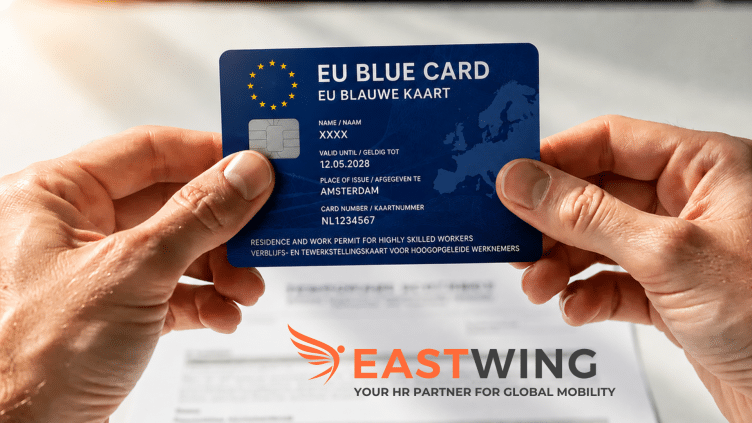


Recognised sponsorship is suitable for companies that regularly hire international employees and meet specific requirements for continuity and solvency. It offers particular advantages for organisations that bring knowledge migrants, researchers, or exchange students to the Netherlands. The status significantly accelerates application procedures and reduces the administrative burden when applying for residence permits.
What is recognised sponsorship and why should your company consider it?
Recognised sponsorship is an official status that companies, schools, or organisations can apply for with the IND to bring international employees to the Netherlands. As a recognised sponsor, your organisation may submit applications for residence permits and work permits on behalf of your international employees.
The IND assesses whether your organisation is reliable and financially sound before granting recognition. This means your company must demonstrate that continuity and solvency are sufficiently guaranteed. Your organisation must also be registered with the Chamber of Commerce and must not be bankrupt or have a payment deferral.
The most important advantage is that recognised sponsorship significantly accelerates your application processes for international employees. Instead of months-long procedures, you can often expect a decision within a few weeks. This makes it much easier to attract and retain international talent.
What requirements must your company meet to become a recognised sponsor?
Your company must meet several general requirements to become a recognised sponsor. Registration with the Chamber of Commerce is mandatory, unless your organisation is exempt under the Commercial Register Act 2007.
The financial health of your organisation is central to the assessment. Your company must not be bankrupt, must not have a suspension of payments, and must not have payment arrears with major creditors. The IND specifically looks at continuity and solvency to determine whether your organisation is sufficiently stable.
In addition, all persons involved, including directors and board members, must be reliable. This means there must be no criminal record or other circumstances that call reliability into question. Your organisation must also comply with applicable codes of conduct within your sector.
For companies younger than 1.5 years, additional requirements apply. In that case, the RVO assesses your application using a points system in which you must score at least 50 out of 100 points. This system looks at your business plan, organisational structure, and financial projections.
For which types of companies is recognised sponsorship most suitable?
Recognised sponsorship is particularly valuable for companies that regularly hire international employees, especially knowledge migrants, researchers, or specialists. Companies in the tech sector, research institutions, multinationals, and consultancy firms benefit the most from this status.
Organisations that submit at least a few international applications per year find recognised sponsorship cost-effective. The investment in the application is offset by the time savings and administrative benefits you receive. For companies that only occasionally hire international employees, the costs may not be justified.
Medium to large companies with established HR processes can make the best use of recognised sponsorship. You need sufficient organisational structure to properly fulfil the responsibilities that come with the status. Companies with international expansion plans or that form part of international groups are also suitable candidates.
Startups and scale-ups with ambitious growth plans that require international expertise can also benefit from recognised sponsorship. However, they must pay extra attention to meeting the stricter requirements for young companies.
What are the main benefits of recognised sponsorship for employers?
The greatest benefit is the accelerated processing of applications. The IND aims to make decisions within two weeks for recognised sponsors, while regular applications can take months. In some cases where a work permit is required, it can take up to seven weeks.
As a recognised sponsor, you need to submit fewer supporting documents with applications. This saves considerable time in preparation and reduces the chance of incomplete files. You can also submit all applications online via the Business Portal, which further streamlines the process.
There is no minimum or maximum number of applications per year, so you have complete flexibility in how often you use the status. This makes it suitable for companies with varying recruitment needs throughout the year.
The status is valid indefinitely, as long as your organisation continues to meet the requirements. You therefore do not need to renew regularly, which provides administrative continuity for your international recruitment processes.
When might recognised sponsorship not be the right choice for your company?
For companies that only occasionally hire international employees, the costs may not be justified. The application costs amount to €4,866 for established companies, or €2,432 for companies younger than 1.5 years or with fewer than 50 employees worldwide. These amounts apply to the year 2025.
Young companies that do not meet the strict financial requirements are better off waiting until they are more established. The procedure for companies younger than 1.5 years can take up to six months and requires extensive documentation. If your organisation does not meet the minimum solvency requirements, the application will be rejected.
Companies without structured HR processes may struggle with the responsibilities that come with recognised sponsorship. You must ensure compliance and follow correct procedures, which requires organisational capacity.
If your company only hires Dutch employees or exclusively recruits EU citizens, recognised sponsorship offers no added value. The status is specifically aimed at hiring employees from countries outside the European Union who require residence permits.
For organisations that regularly hire international employees but are uncertain about recognised sponsorship, Eastwing offers a comprehensive compliance audit. We help you evaluate whether recognised sponsorship fits your current processes and support you in optimising your global mobility and immigration strategy. This allows you to make a well-considered decision that aligns with your specific business situation. Contact us for personalised advice.