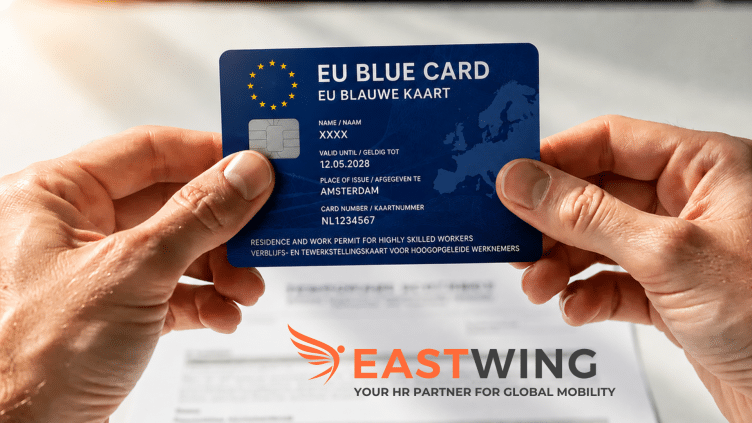


In the Netherlands, several types of work permits exist, depending on your situation and nationality. The two most important are the TWV (Tewerkstellingsvergunning) and the GVVA (Gecombineerde vergunning voor verblijf en arbeid). In addition, there are exceptions where you do not need a work permit, such as for EU/EEA citizens or highly skilled migrants through a recognised sponsor. The choice of the right type depends on your residence status, salary, and the duration of your work in the Netherlands.
What is the difference between a TWV and a GVVA?
A TWV (Tewerkstellingsvergunning) is a work authorisation that your employer applies for at the UWV if you already legally reside in the Netherlands. The GVVA (Gecombineerde vergunning voor verblijf en arbeid) combines a residence and work permit in one document and is applied for at the IND. The GVVA is intended for people who do not yet have the right to reside in the Netherlands.
The main difference lies in scope: a TWV only grants permission to work, while a GVVA also covers your right of residence. The TWV is typically used for temporary employees who already hold a visa or other residence right. The GVVA is the standard choice for international workers coming to the Netherlands to work for an extended period.
Processing times also differ: a TWV takes approximately 5 weeks, while a GVVA can take up to 90 days. Your employer is responsible for both applications, but the procedure and conditions differ per type. For a TWV, your employer often has to demonstrate that no suitable candidates are available on the Dutch labour market, unless an exception applies.
When do you not need a work permit in the Netherlands?
You do not need a work permit if you are a citizen of an EU/EEA country or Switzerland. This group has free movement of workers and may work in the Netherlands without a permit. British citizens with a residence document based on the withdrawal agreement also fall under this category.
In addition, there are specific exceptions for certain categories of workers. Highly skilled migrants working through a recognised sponsor do not need a separate work permit because their residence permit already includes the right to work. The same applies to holders of an ICT permit (intra-corporate transfer) and scientific researchers with a specific residence permit.
Even if you hold a residence permit for certain purposes such as family reunification or study, you may work under certain conditions without an additional work permit. Please note: the expat scheme (30% ruling) is a tax benefit and not a work permit. You must still meet the conditions for a work permit, unless you fall under one of the exceptions.
How do you apply for a work permit for the Netherlands?
Your employer applies for the work permit on your behalf, not you yourself. For a TWV, the employer submits the application to the UWV; for a GVVA, to the IND. You always need a concrete employment contract or job offer before the application can be submitted.
The required documents vary by type of permit, but you typically need: a copy of your passport, employment contract, diplomas, and a completed application form. For a GVVA, more documents are often required, such as proof of housing and sometimes a declaration of good conduct. Employers who are recognised sponsors with the IND benefit from an accelerated procedure and reduced administrative burden.
After approval, you will receive a sticker in your passport or a residence document. You must register with the municipality where you will be living within one week of arriving in the Netherlands. This is mandatory and necessary to obtain a BSN number, which you need for work, taxes, and access to services.
What are the conditions for a work permit in the Netherlands?
For a work permit, your employer must demonstrate that no suitable candidates are available on the Dutch or EU labour market. This is called the labour market test. There are exceptions for shortage occupations, highly skilled positions, and employees with specific expertise.
In addition, salary thresholds often apply. For highly skilled migrants, your salary must at least meet the standard amounts that are adjusted annually. For 2026, this threshold is, for example, around €5,942 gross per month for employees over 30 years of age, and lower for younger employees and recent graduates. These amounts are subject to change, so always check the current standards.
Your employer also has obligations: correct compliance with Dutch employment conditions, payment of social security contributions and payroll tax. For recognised sponsors, these conditions are strictly monitored. The Dutch government aims to protect the local labour market while simultaneously attracting international talent for positions where there is a shortage.
How long does it take to obtain a work permit?
A TWV application standardly takes approximately 5 weeks. For a GVVA, you should allow for 90 days, although the IND may decide faster in some cases. Recognised sponsors benefit from an accelerated procedure: their applications are often processed within 2 weeks.
Various factors can affect processing times. Incomplete applications, unclear documents, or additional checks can cause delays. Busy periods at the IND or UWV also play a role. You can track the status of your application via the online portals of these bodies.
Please note: you may only start working after your permit has been approved and you have received the official document. Working without a valid permit is illegal and can result in fines for you and your employer. Therefore, plan well in advance and start the application as soon as your employment contract is finalised. If you have any doubts about the procedure or timing, you can contact specialists who can guide you through the process.
Conclusion
Choosing the right work permit for the Netherlands depends on your situation, nationality, and the nature of your work. The TWV and GVVA are the two main options, but there are various exceptions where you do not need a permit. The application procedure requires care and timely preparation.
We at Eastwing assist international professionals and their employers with the complete immigration process, from determining the right permit to the actual application. Our team closely monitors regulations and ensures that your application is correct and complete, so you can start working in the Netherlands as soon as possible.
Frequently Asked Questions
Can I switch employers with my current work permit?
No, a TWV and GVVA are tied to your specific employer and position. If you want to change jobs, your new employer must apply for a new work permit before you can start working for them. You may only begin your new job after the new permit has been approved. For highly skilled migrants, you must find a new employer within three months to retain your residence permit.
What happens if my work permit application is rejected?
In the event of a rejection, your employer receives a statement from the UWV or IND explaining why the application was refused. You can file an objection against the decision within the set period if you disagree with the rejection. Alternatively, you can resubmit the application with additional documentation or under a different category that better suits your situation. An immigration specialist can help analyse the reasons for rejection and determine the best next steps.
Can my partner also work if I have a work permit?
If your partner relocates to the Netherlands with you on the basis of family reunification, he or she will usually receive a residence permit that also includes the right to work. This means your partner may work without a separate work permit. The condition is that your own residence and work permit remains valid and that your partner has correctly registered with the municipality.
What costs are associated with a work permit application?
The costs vary by type of permit: there are no fees for a TWV, while a GVVA does carry a certain amount in fees, which you can find on the IND website. These costs are normally paid by your employer. In addition, there may be extra costs for legalisation of documents, translations, and possibly legal assistance. Recognised sponsors pay lower rates for certain permits.
Can I already come to the Netherlands while my GVVA is still being processed?
No, you generally have to wait until your GVVA has been approved before you can come to the Netherlands to work and reside. This does not apply to people with a visa-free nationality. Therefore, plan your move only after you have received the official residence document and your employer confirms that everything is in order. It is always advisable to check this in advance with a specialist.
How long is my work permit valid and can I extend it?
A TWV is usually valid for 90 days, but can sometimes be issued for a maximum of three years, depending on the duration of your employment contract and the type of work permit. A GVVA is granted for the duration of the employment contract, with a maximum of five years. Your employer can apply for the extension three months before the expiry date at the UWV or IND. Upon renewal, it is reassessed whether you still meet all conditions, such as salary standards and the validity of your employment contract.
What are the consequences if my employer loses its status as a recognised sponsor?
If your employer loses its recognition as a sponsor, your existing residence permit will also lapse. You must find a new employer that is a recognised sponsor within three months, or your employer must apply for a regular work permit on your behalf. The IND informs employees in writing if their employer loses recognised status, so that you can take timely action.