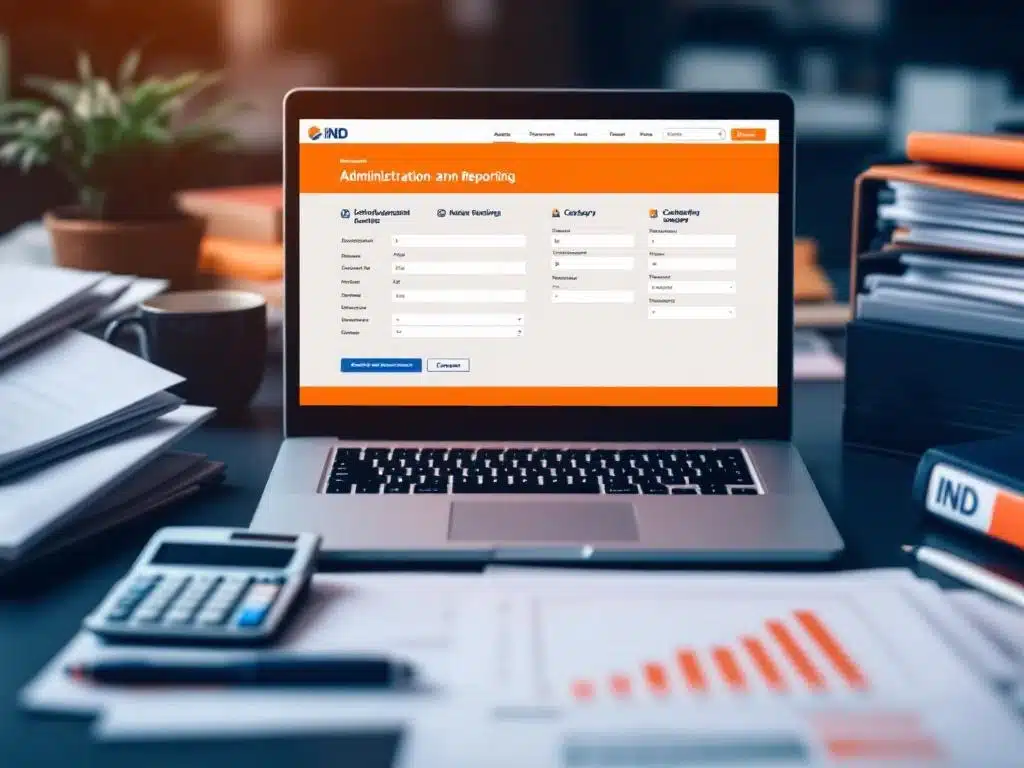

A recognised sponsor reports to the IND via the online IND portal by promptly notifying relevant changes to employment contracts, termination of employment, and other significant changes. This reporting obligation is legally required and must be fulfilled within certain timeframes to maintain recognised sponsorship. The system operates digitally and requires specific data per notification.
What is the reporting obligation for a recognised sponsor?
A recognised sponsor has a legal obligation to report all relevant changes concerning international employees to the IND within 28 days. This reporting obligation exists because the IND needs up-to-date information to monitor the residence status of foreign employees and to ensure compliance with immigration legislation.
For changes concerning the organisation, a reporting obligation applies within 14 days.
The reporting obligation includes notifying changes in working conditions with regard to foreign employees, and company information. This helps the IND to verify whether employees still meet the conditions for their residence permit and whether the company is correctly fulfilling its recognised sponsorship.
Companies that comply with their reporting obligation retain their recognised sponsor status and can continue to benefit from accelerated processing of residence permit applications. The IND also uses this information to conduct risk analyses and monitor compliance within the global mobility sector.
Which changes must a recognised sponsor report to the IND?
A recognised sponsor must report specific changes: termination of employment contracts, changes in position or salary where relevant, and changes in company details. Temporary situations such as taking leave under the Work and Care Act must also be reported if this causes the salary to temporarily fall below the salary standard for highly skilled migrants. These situations require an IND notification.
Employment contract changes that must be reported include:
- Salary adjustments that fall below the minimum for highly skilled migrants are not permitted, unless the salary reduction relates to a temporary leave entitlement under the Work and Care Act
- Position changes within the company where relevant to the residence permit status
You must also report when employees are temporarily residing outside the Netherlands for work or personal reasons, and the employee is unable to return to the Netherlands within the set period of 6 months due to circumstances beyond their control.
Company changes that require reporting include name changes, relocation of the company’s address, changes in company structure, and situations that may affect the continuity or solvency of the company. This information helps the IND to assess whether your company still meets the conditions for recognised sponsorship.
How does the IND’s online portal work?
The IND’s online portal operates via Portaal Zakelijk, where recognised sponsors log in with their DigiD or eHerkenning. After logging in, you navigate to the ‘Notifications’ section and select the type of notification that applies. The system guides you step by step through completing the required information.
The system does not display an overview of the registered employees under your recognised sponsorship. You must therefore keep track of this yourself. Only active applications and notifications are shown in the system.
After submitting a notification, you will receive a confirmation. The IND usually processes notifications within a few working days, and you will receive a confirmation once the notification has been registered. If there are any uncertainties or additional questions, the IND will contact you via the system.
What happens if a recognised sponsor reports to the IND too late?
Reporting too late can lead to warnings, fines, or in serious cases, withdrawal of recognised sponsorship. The IND applies a graduated scale of sanctions, with repeated violations being penalised more severely. In the case of a first violation, you will usually receive a warning with the opportunity to still submit the notification.
The consequences of late IND reporting are:
- Official warning for a first violation, unless it is a serious case, in which case an administrative fine is imposed immediately
- Administrative fine for repeated violations
- Increased monitoring of your company by the IND
- Possible withdrawal of recognised sponsor status
Withdrawal of recognised sponsorship has far-reaching consequences for your company. You can no longer submit new residence permit applications for international employees, and pending applications will be refused. Existing employees will not be able to retain their permit.
Outstanding notifications can still be submitted via the IND portal. Always report fully to the IND to explain the situation and demonstrate that you have taken measures to prevent recurrence. With good compliance following violations, the IND may show leniency, but structural issues will lead to stricter measures.
A sound compliance strategy prevents problems with reporting obligations. At Eastwing, we help companies set up systems for timely IND reporting and compliance monitoring. We ensure that you meet all your obligations and retain your recognised sponsor status, so that you can continue to benefit from the advantages of accelerated processing of residence permit applications. For personal advice, you can contact us.