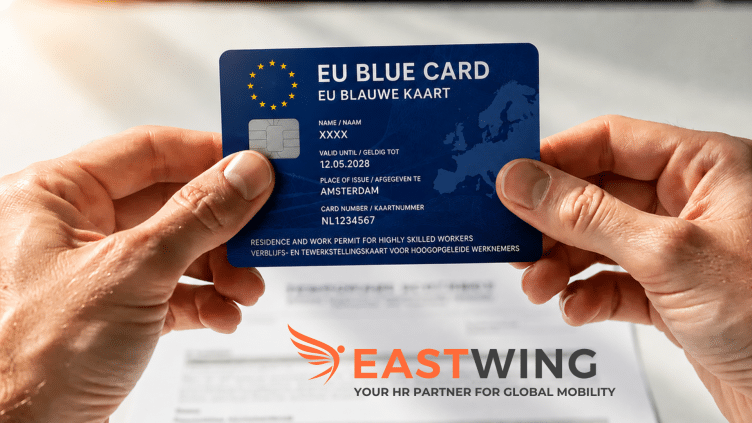


A recognized sponsor has specific tax obligations in the Netherlands that go beyond those of ordinary employers. These obligations include payroll tax, social security contributions, reporting to the Tax Authority, and special responsibilities for international employees. Recognized sponsors must also ensure the correct application of schemes such as the 30% ruling and timely tax filings for their foreign employees. This also applies to ordinary employers who employ foreign workers, but it will occur more frequently with recognized sponsors.
Introduction: what does it mean to be a recognized sponsor?
A recognized sponsor is an organization officially recognized by the IND to bring foreign employees to the Netherlands. This recognition entails not only immigration law responsibilities but also extensive tax obligations that are crucial for compliance.
Recognized sponsors play a key role in Dutch immigration legislation. They act as trusted partners for the government in facilitating international mobility. This status is granted to organizations that meet strict requirements regarding reliability, financial soundness, and continuity.
For HR departments, this means they must familiarize themselves with complex tax regulations. The recognized sponsor status brings advantages such as faster permit procedures, but also increased responsibilities in the area of taxation.
What are the main tax obligations of a recognized sponsor?
The primary tax responsibilities of a recognized sponsor include payroll tax, social security contributions, reporting to the Tax Authority, and special obligations for international employees.
Recognized sponsors must remit payroll tax and social security contributions monthly through the regular payroll return. This applies to all employees, both Dutch and international. The return must be submitted no later than the 15th of the following month.
In addition, recognized sponsors have reporting obligations specifically related to their international employees. They must inform the IND of changes to the employment contract, departure of employees, and other relevant developments that affect the right of residence in the Netherlands.
For employees making use of the 30% ruling, recognized sponsors must comply with additional administrative obligations. This includes maintaining specific documentation and timely reporting of changes to the Tax Authority.
How do the tax obligations of a recognized sponsor differ from those of ordinary employers?
Recognized sponsors have additional compliance requirements on top of standard employer obligations, particularly focused on international employees and specific schemes.
Ordinary employers only need to remit the standard payroll tax and social security contributions. For recognized sponsors, it is advisable to maintain additional reports on their international employees, including detailed information on residence status and employment conditions.
Recognized sponsors – just like ordinary employers – must actively monitor the correct application of the 30% ruling and act as an intermediary between the employee and the Tax Authority.
What are the consequences of failing to meet tax obligations as a recognized sponsor?
Failure to comply with tax obligations can lead to fines, additional assessments, and in serious cases the loss of recognized sponsor status.
The Tax Authority can impose fines for late or incorrect returns. These fines range from a few hundred euros for administrative errors to substantial amounts for structural negligence.
Furthermore, the IND can revoke recognized sponsor status in the event of repeated violations of tax obligations. This has far-reaching consequences for the organization, as new permit applications will then take much longer and require more documentation.
For international employees, errors in the sponsor’s tax return can lead to additional assessments, interest claims, and problems with future residence permits. This can seriously damage the employer-employee relationship.
How does a recognized sponsor ensure correct tax filing for international employees?
Recognized sponsors must follow a structured process for tax returns, including timely documentation, guidance for employees, and monitoring of deadlines.
It is advisable for recognized sponsors to actively guide their international employees through completing Dutch tax returns. Particularly the first year of filing taxes in the Netherlands can be complex. This includes explanation of deductions, the 30% ruling, and applicable tax treaties to prevent double taxation.
Deadlines are crucial in this process. The income tax return must be submitted by 1 April at the latest, but for complex international situations an extension can be requested until 1 July. Recognized sponsors must proactively monitor these deadlines.
A professional global mobility compliance audit can help optimize these processes and identify potential areas for improvement in the current approach.
Conclusion: successfully managing tax obligations as a recognized sponsor
Successfully managing tax obligations as a recognized sponsor requires a proactive approach, thorough knowledge of the regulations, and structured processes for compliance.
The key success factors are: timely and accurate reporting to the Tax Authority, active guidance of international employees with their tax returns, and keeping up with changes in tax legislation.
Recognized sponsors must invest in expertise and systems to correctly fulfill their obligations. This not only protects against sanctions but also contributes to a positive experience for international employees.
By treating compliance as a strategic priority, recognized sponsors can maintain their status and fully benefit from the advantages that this recognition offers for international talent acquisition. For more information on this complex topic, you can contact our experts.