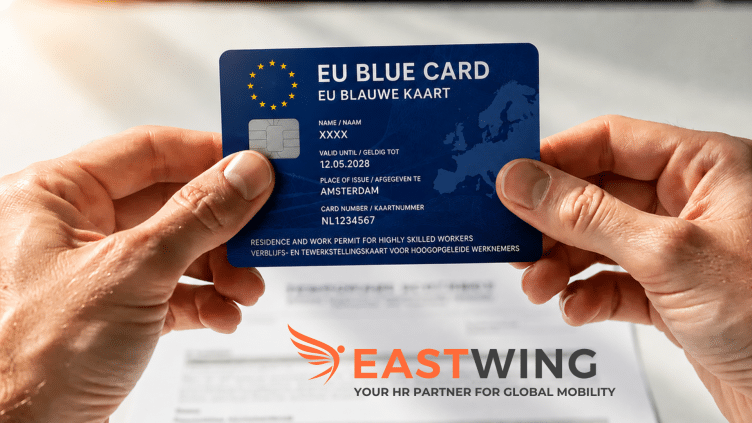


The 30% ruling is one of the most valuable tax benefits for international employees in the Netherlands, but achieving full compliance requires more than simply submitting an application. For expats who want to benefit from this tax advantage, it is essential to follow the correct procedures, meet deadlines, and apply continuous monitoring. A systematic approach to compliance prevents costly mistakes and ensures that you benefit optimally throughout the entire period of your 30% ruling. We help companies and international employees daily in navigating this complex Dutch tax legislation and have compiled the best practices for successful compliance.
What exactly is the 30% ruling?
The 30% ruling, also known as the 30 percent ruling, is a tax benefit introduced by the Dutch government to attract highly educated international employees to the Netherlands. This ruling allows 30% of your gross salary to be exempt from Dutch tax, which can significantly increase your net income.
To qualify for this tax benefit, you must meet specific conditions. First, you must possess specific expertise that is scarce in the Dutch labor market. This is determined by salary thresholds: for 2025, the minimum annual salary is €46,660, or €35,468 for persons under 30 years old with a master’s degree.
Additionally, you must have been recruited from abroad and must have lived more than 150 kilometers from the Dutch border for at least 16 of the 24 months preceding your first working day in the Netherlands. This distance requirement is crucial for demonstrating your international profile.
The ruling applies for a maximum of five years for applications approved after January 1, 2019. From 2024, a salary cap of €233,000 per year has been introduced, meaning the tax benefit only applies to salary up to this amount.
Common mistakes in 30% ruling applications
The most common compliance error is submitting the application too late. Many international employees only realize after months that they are entitled to the 30% ruling, causing them to miss out on retroactive benefits. If you submit an application within four months of starting your Dutch employment, the ruling can have retroactive effect from your first working day.
Another common mistake concerns incomplete documentation of the distance requirement. Employers and employees regularly fail to provide adequate proof that the employee actually lived more than 150 kilometers from the Dutch border. This requires concrete evidence such as rental agreements, mortgage statements, or basic registration extracts from abroad.
HR departments often make the mistake of providing insufficient evidence for the scarcity of expertise. The employer must be able to demonstrate that they actively searched for comparable expertise in the Dutch labor market and that this search failed. This includes documenting the number of applicants, the period the vacancy was open, and the specific reasons why local candidates were not suitable.
Finally, it is often forgotten to report changes in the employment relationship to the Tax Authority in a timely manner. When changing employers, a new application must be submitted within three months to ensure continuity of the ruling.
Essential documents for successful compliance
For a successful 30% ruling application, a complete documentation set is essential. The foundation consists of a valid identity document (not a driver’s license), your BSN number, and an employment contract or secondment agreement that explicitly states that both parties agree to the application of the 30% ruling.
Proof of foreign expertise requires a comprehensive curriculum vitae that clearly illustrates your age, education, work experience, and employment history. Additionally, your employer must provide a written statement confirming that your skills are scarce and that they have failed to find comparable expertise in the local market.
| Document category | Required documents | Notes |
|---|---|---|
| Identity and status | Valid identity document, BSN number, work permit (if applicable) | Driver’s license is not accepted as identity document |
| Employment relationship | Employment contract, secondment agreement, company details and payroll tax number | Contract must explicitly mention 30% ruling |
| Expertise proof | CV, diplomas, certificates, employer statement of scarcity | Must clearly demonstrate international expertise |
| Residence proof | Rental agreements, mortgage statements, basic registration extract | Minimum 16 months within 24-month period |
Proof of residence abroad is crucial and must cover the entire 24-month period preceding your Dutch employment. Acceptable documents are rental agreements, mortgage statements, or official extracts from foreign basic registrations. Ensure all documents are translated by a sworn translator if they are not prepared in Dutch or English.
Timing and deadlines: when to apply?
The strategic timing of your 30% ruling application can make the difference between maximum benefit and missed opportunities. The ideal timing is to submit the application as soon as you have signed your Dutch employment contract, but no later than four months after your first working day.
If you submit an application within this four-month period, the ruling can be applied retroactively from your first working day. This means you can also enjoy the tax benefit over the first months of your Dutch employment. If you submit an application later than four months after starting your employment, the ruling only becomes effective from the first day of the month following the month in which your application is approved.
When changing employers, timing is even more critical. You have only three months after termination of your previous employment to find a new job that meets the 30% ruling conditions. Subsequently, you must submit a new application within four months of accepting your new position.
The processing time of the Tax Authority varies between one and six months, depending on the complexity of your file. Therefore, plan well in advance and ensure all documentation is complete to prevent delays.
Compliance monitoring and regular checks
Successful HR compliance for the 30% ruling requires a systematic approach to monitoring and control. Establish an annual control system where you verify that all conditions are still being met and that your documentation is up-to-date.
Maintain a compliance calendar with important dates such as the end date of your 30% ruling, deadlines for reporting changes, and moments when you need to evaluate your salary against the annual thresholds. The salary thresholds are adjusted annually, so ensure your salary has sufficient room to stay below the increases.
Regularly monitor changes in legislation. From 2027, for example, the 30% ruling will be adjusted to a 27% ruling for new applicants. Such changes can impact your long-term planning and may require adjustments to your compliance strategy.
Document all communication with the Tax Authority and keep all relevant correspondence. During audits or inquiries, you can then quickly provide the necessary information. A proactive attitude toward compliance prevents problems and ensures you benefit optimally throughout the entire period from this valuable tax advantage.
The 30% ruling offers significant benefits for international employees, but requires careful planning and continuous attention to compliance. By following the correct procedures, applying in a timely manner, and monitoring regularly, you can maximize your benefit from this Dutch tax advantage. A systematic approach to global mobility compliance ensures you make optimal use of the available opportunities throughout your entire period in the Netherlands. For personalized guidance on your specific situation, contact our expert team to discuss your compliance strategy.